Image resolution, dimensions, and aspect ratios explained
Understand image pixels, dimensions, aspect ratios, common web layouts, cropping, and the limits of AI upscaling.
Image dimensions tell you the pixel width and height. Aspect ratio describes the shape of that rectangle. Resolution only helps when the file contains enough real detail for the size where people will see it.
Match image pixel dimensions to the placement
A 1600 × 900 image contains 1,600 pixels across and 900 pixels down. Its aspect ratio is 16:9. A 1080 × 1080 file is square, or 1:1. Neither number says whether the image is sharp; compression, focus, generation quality, and editing also matter.
Choose dimensions from the final placement. A small article card needs fewer pixels than a full-width banner. High-density screens may benefit from an image near twice the displayed width, but sending the largest source everywhere wastes data.
Common image aspect ratios and their uses
| Shape | Example dimensions | Useful for |
|---|---|---|
| Square 1:1 | 1080 × 1080 | Cards, profile tiles, balanced social layouts |
| Landscape 4:3 | 1200 × 900 | Articles, presentations, general web images |
| Wide 16:9 | 1600 × 900 | Video covers, banners, presentation screens |
| Portrait 4:5 | 1080 × 1350 | Mobile feeds, posters, people and product layouts |
These are planning examples, not universal requirements. Check the current rules of the platform or component where the image will appear.
Crop when the subject can lose space
Cropping removes part of the frame to create a new shape. It is the cleanest choice when the subject remains understandable and important details stay away from the cut edge. Test the narrowest mobile crop as well as the desktop version.
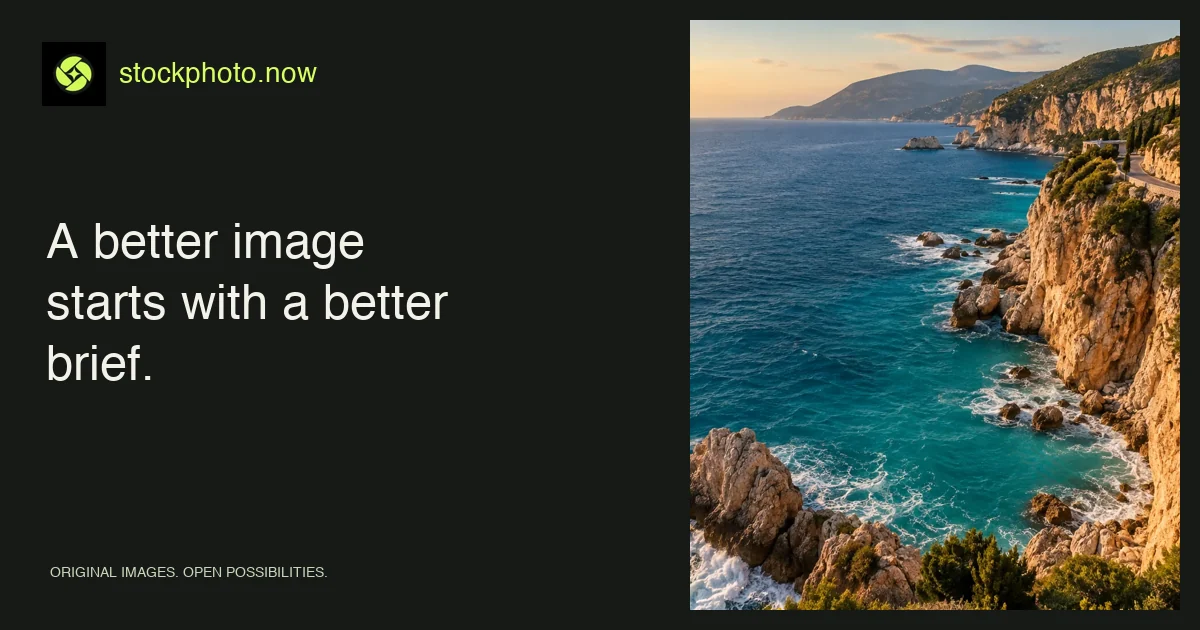
Original example: a wide coast image can become a square card if the cliff remains the visual anchor. A tightly framed face cannot become a wide banner without either cutting the subject or creating new space. The composition guide explains how to protect focal points and copy space.
Recompose when a crop would break the image
Smart Resize asks AI to adapt the composition to a new shape. Zoom Out creates more surrounding area. Both tools can invent details, so inspect patterns, faces, hands, edges, and perspective before use.
What AI upscaling can and cannot recover
An AI image upscaler can create a larger file and estimate texture. It cannot recover factual detail that the source never captured. Start with the clearest file available, use the smallest enlargement that fits, and compare the output at 100% view.
An image size and aspect ratio checklist
- Measure the largest display width in the real layout.
- Choose an aspect ratio that protects the subject.
- Export only the dimensions the placement needs.
- Set HTML width and height so the browser reserves space.
- Keep the original source and record the applicable license.
Apply this guide with image tools and collections
Try a new layout in the AI image resizer, add surrounding space with Zoom Out, or review the composition guide.
Find your image